





An Overview of Light Colors and Wavelengths
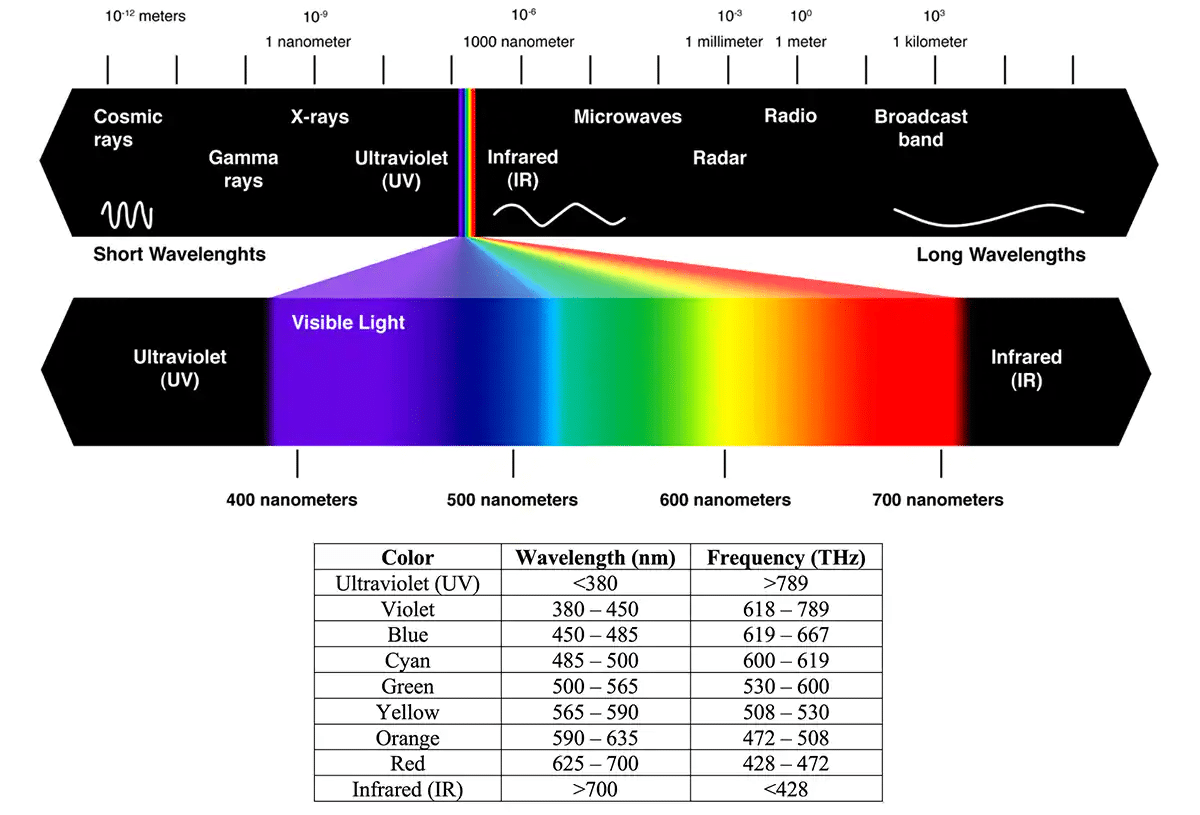
Every light spectrum is characterized by wavelengths. The wavelength of light can be described as the horizontal distance between the two peaks of the light wave. Visible light or visible spectrum is the distance of the electromagnetic wave we can see with our eyes, commonly extending from about 400 nm (violet) to 700 nm (red).
Plants do not have eyes but instead rely on their chlorophyll - a group of specialized cells that detect and respond to light energy. They can only detect wavelengths that fall within the ultraviolet radiation (260-380nm) and the visible portion of the light spectrum (380-740 nm).
Colors of light that fall in this range include:
- Violet: 380-450 nm
- Blue: 450-495 nm
- Green: 495-570 nm
- Yellow: 570-590 nm
- Orange: 590-620 nm
- Red: 620-740 nm
What Color Of Light Is Best For Plant Growth?
The visible part of the light spectrum or the visible light spectrum comprises PAR (photosynthetically active radiation). During photosynthesis, plants absorb this radiation to produce sugars required to grow major parts, including roots, stems, and leaves. However, various wavelength ranges within the visible light spectrum affect plants differently. Two of the most important colored lights for your plant are red and blue.
- Blue Light: Blue light is particularly important during the early stages of a plant's life, such as the seedling stage. When plants receive strong concentrations of blue light, it acts as a signal for them to sprout and develop robust root systems. This is essential because healthy roots provide the foundation for the plant's overall growth and ability to absorb water and nutrients from the soil.
- Red Light: Red light has a multifaceted role in a plant's growth cycle, especially during the flowering stage. Certain specific wavelengths of red light trigger the production of a hormone within the plant's vegetation. This hormone acts to prevent the breakdown of chlorophyll. With more chlorophyll preserved, the plant can generate more nutrients through photosynthesis. This leads to healthier, taller plants with an abundance of leafy vegetation.
Additionally, the following lights also play a role during the plant growth stage:
- Violet or purple light, with its shorter wavelength and higher energy, can support the growth of a plant's leafy parts.
- Green light is mostly reflected by plants (making them appear green), but a small amount is absorbed during photosynthesis.
- Yellow and white light have minimal effects on plant growth.
To make a brief summary, blue light boosts a strong root system during the first growth phase and red light contributes to satisfying flowering and fruiting.
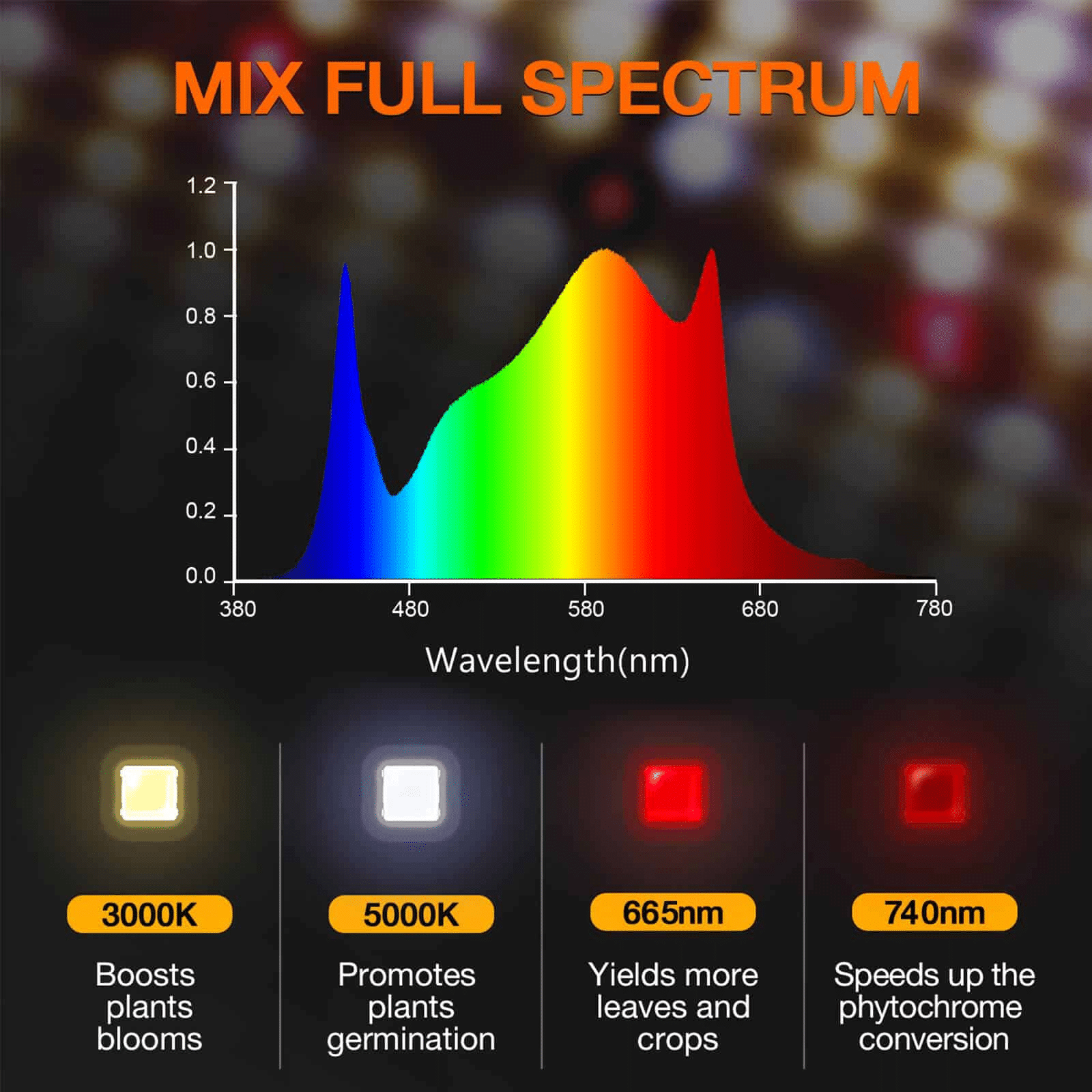
Practice Light Colors for Optimal Plant Growth
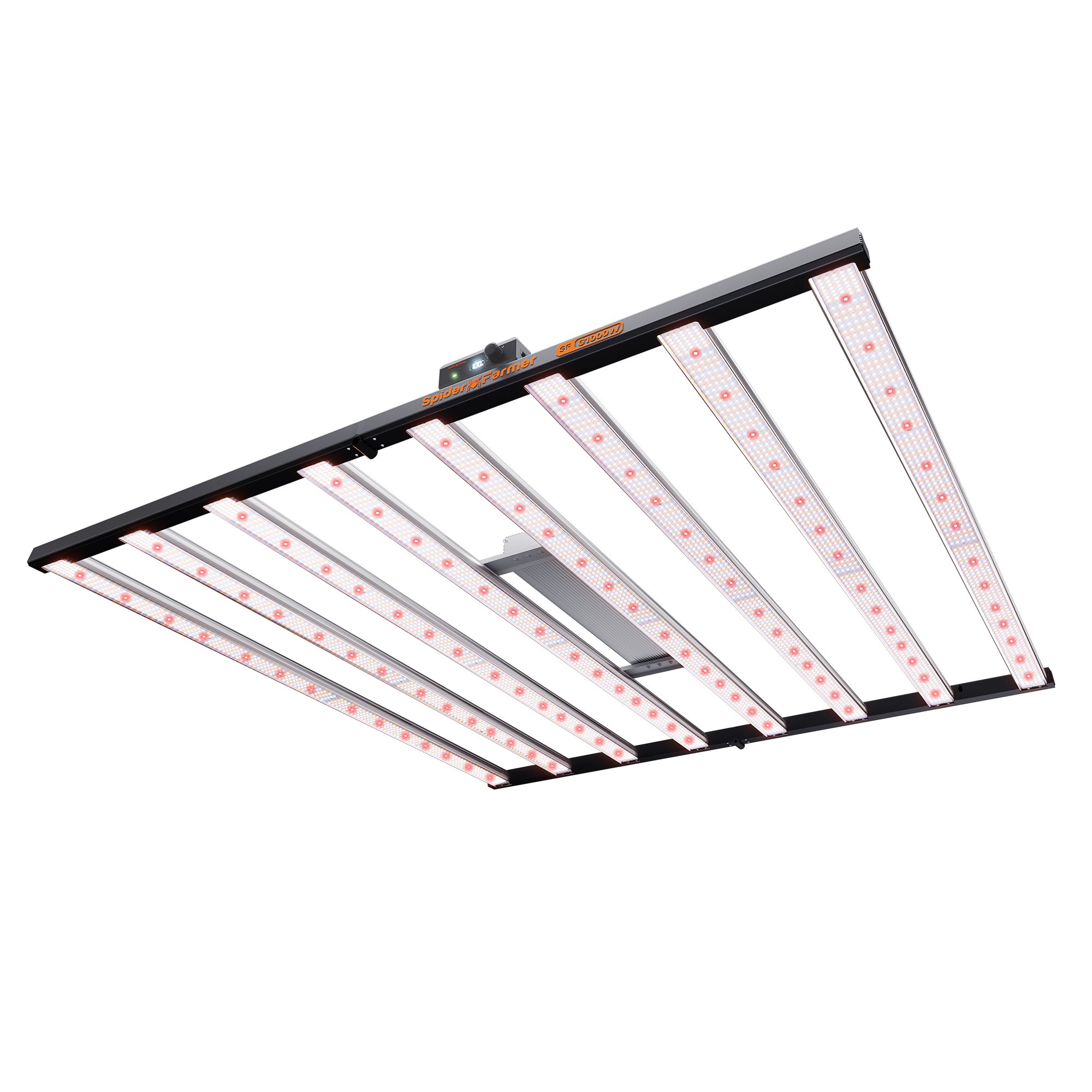
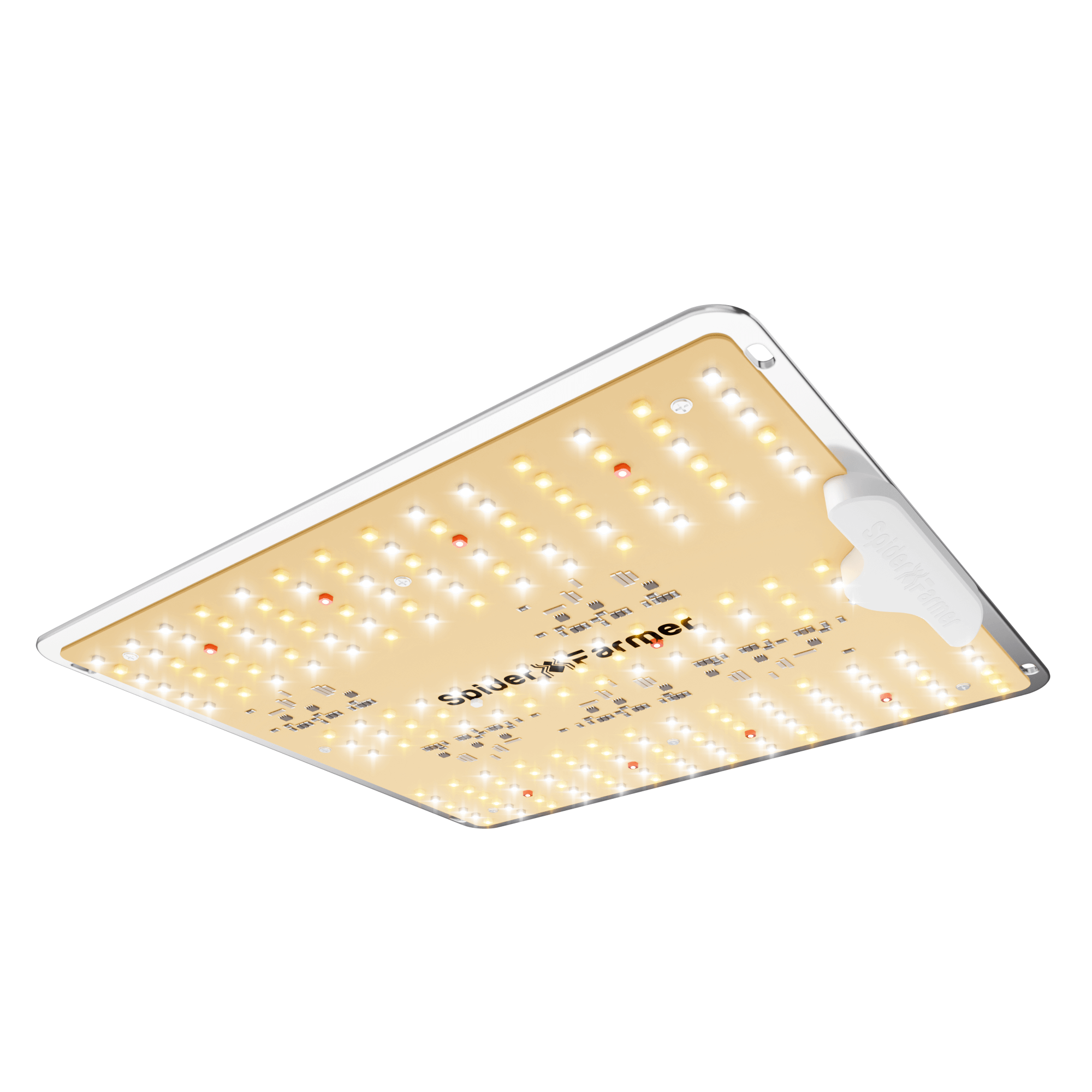
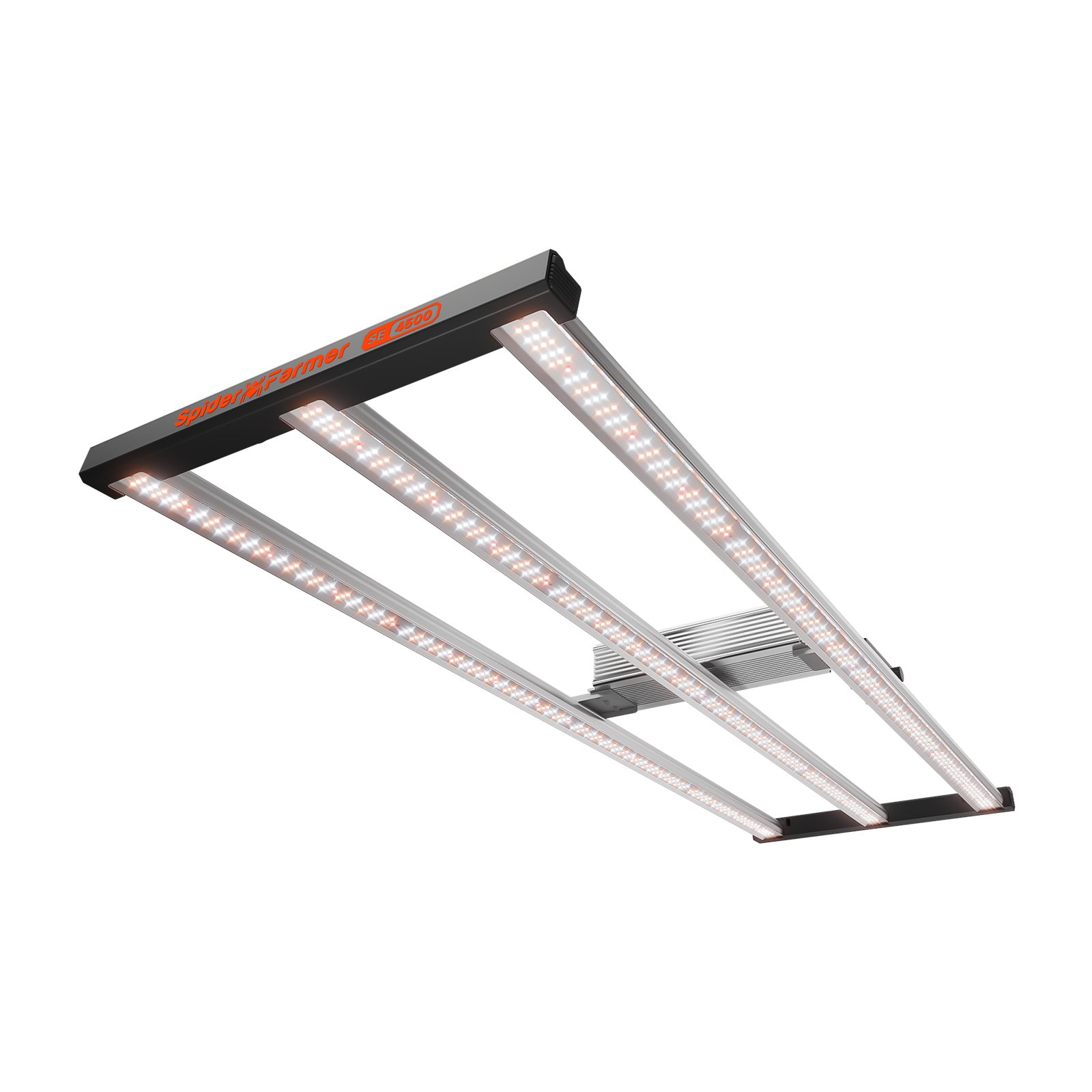
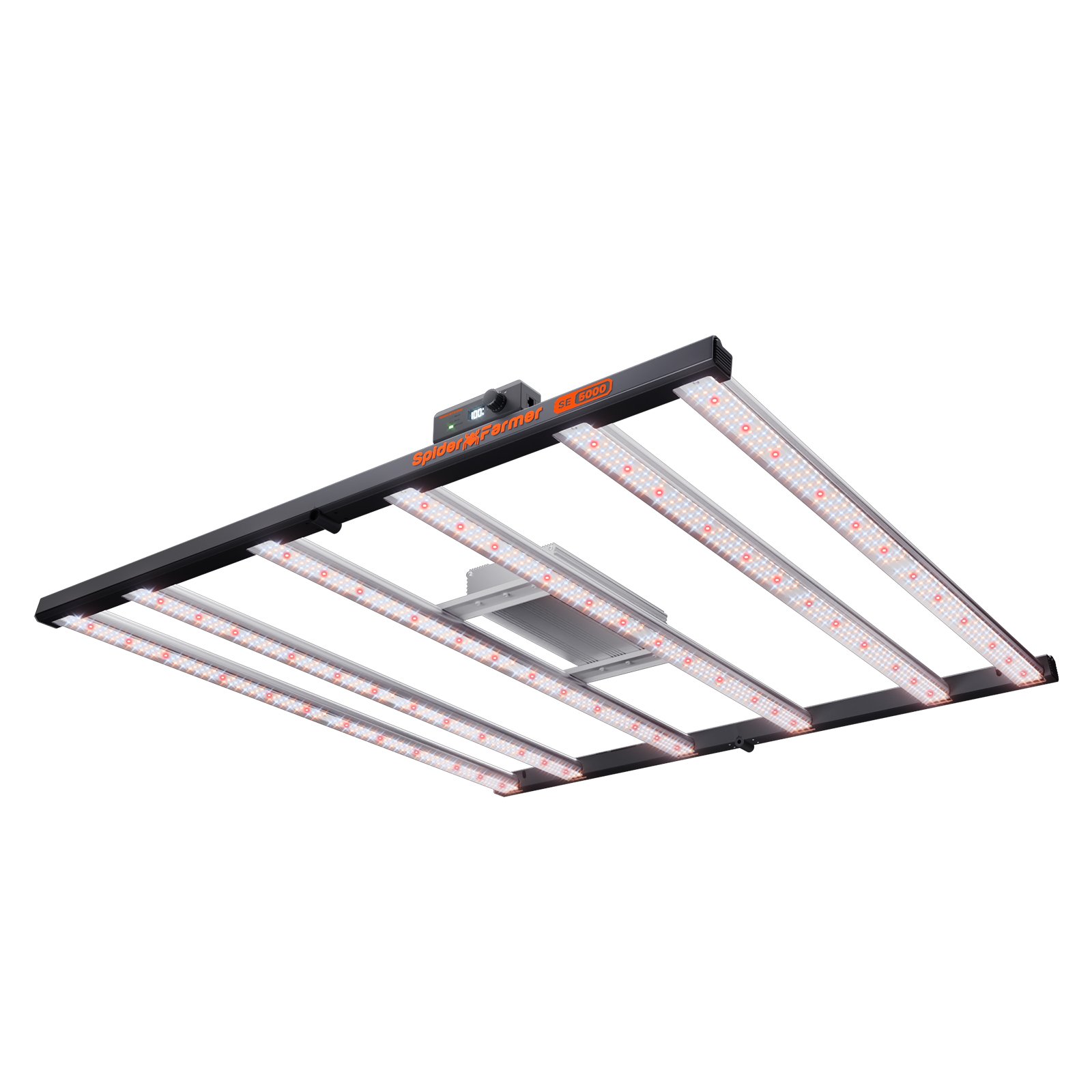
When it comes to providing your plants with the ideal color of light for their growth and development, it would be extremely hard without professional grow lights. To help you out, the Spider Farmer Full Spectrum LED Grow Lights emerge as the top choice. Here's why:
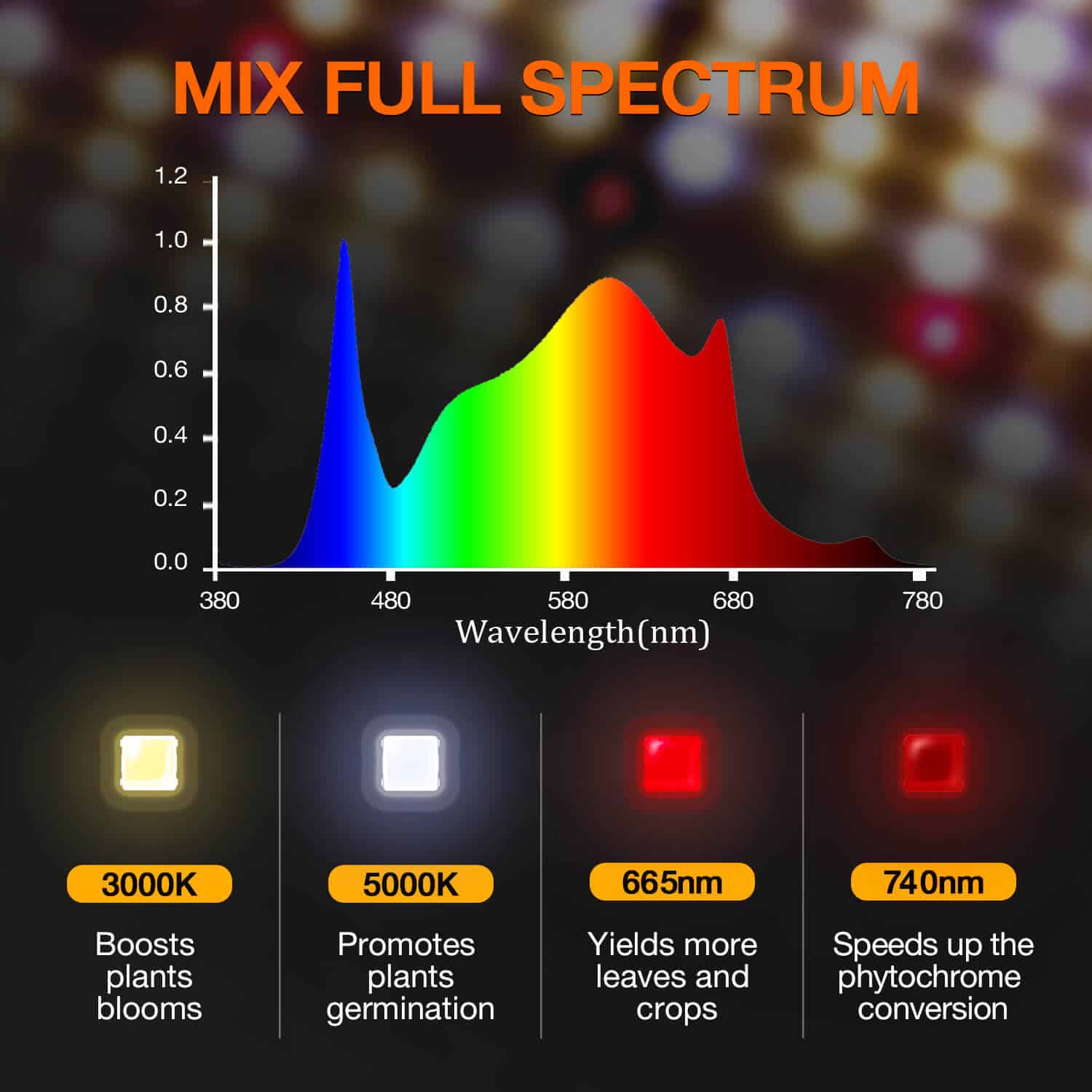
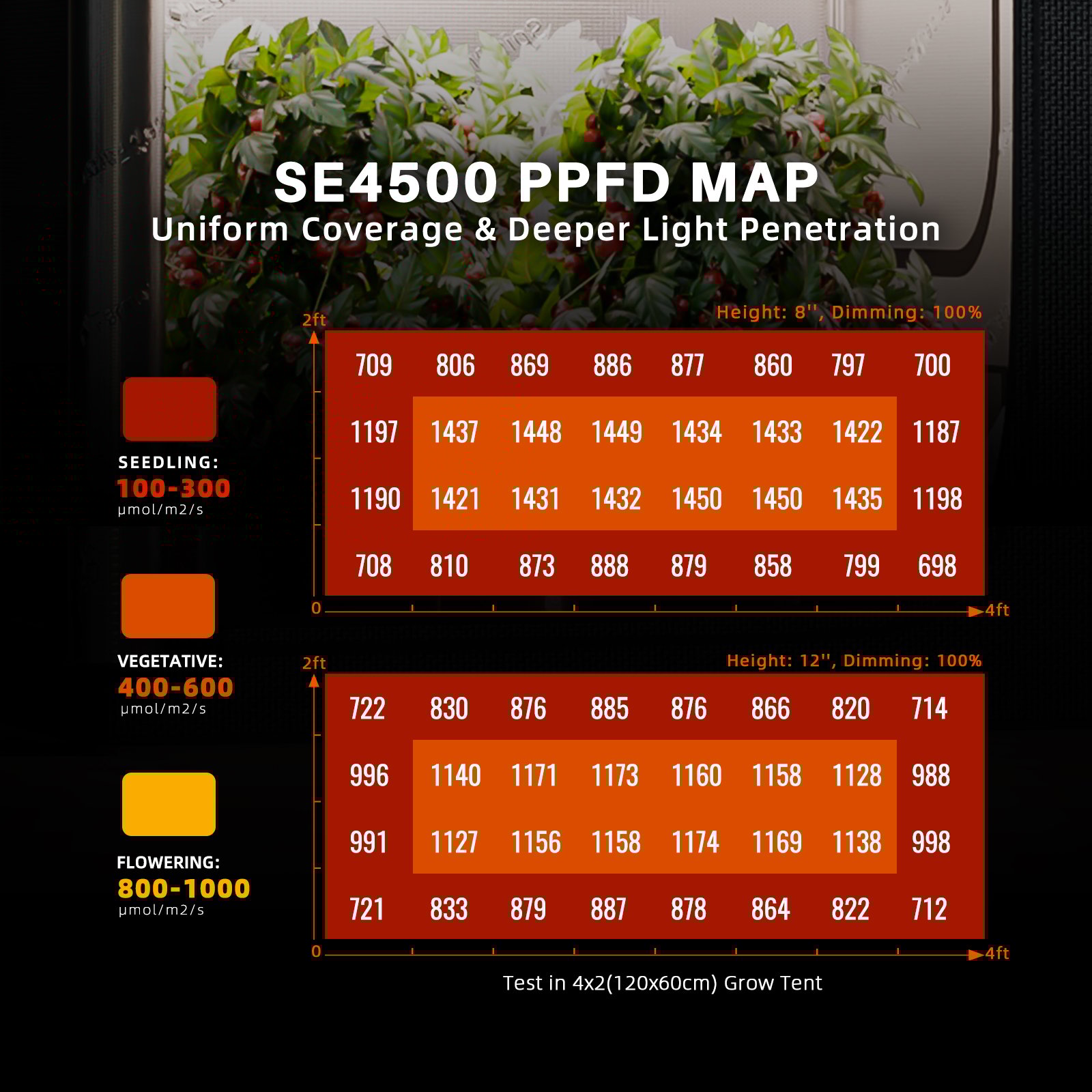
Full Spectrum Lighting: Spider Farmer's LED grow lights offer a full spectrum of light, including the crucial blue and red wavelengths discussed earlier. This means you can easily tailor the lighting conditions to suit different growth stages, from seedling to flowering, ensuring your plants receive the right wavelengths at the right times.
Energy Efficiency: Spider Farmer's LED technology is highly energy-efficient, consuming significantly less power compared to traditional lighting sources. This not only reduces your electricity bills but also makes these lights an eco-friendly choice for sustainable indoor gardening.
Durability and Longevity: Built with high-quality materials and cutting-edge technology, Spider Farmer LED grow lights are known for their durability and long lifespan. They are an investment that will serve your indoor gardening needs for years to come.
Whether you're growing herbs, vegetables, or vine plants indoors, Spider Farmer Full Spectrum LED Grow Lights provide the optimal lighting conditions necessary for your plants to flourish.



This one is a good post and loving the information information shared ??