-1.png)


For chamomile tea, you harvest the flower heads (the blossoms) of the plant—not the leaves, stems, or roots.

What Part of Chamomile Do You Harvest for Tea?
- Flower Heads Only: The white-and-yellow daisy-like blooms are the part used for tea and other herbal preparations.
- Why not Leaves/Stems: Green leaves and stems can add bitterness and are generally avoided for a clean, floral infusion.
The best time to harvest chamomile is when the flowers are in full bloom, with bright yellow centers and flat, white petals that have not yet begun to droop. Typically, this occurs in the late morning, after the heat has dissipated but before the sun reaches its peak. The flowers should be fully open, with petals extended and a strong, sweet apple-like fragrance.
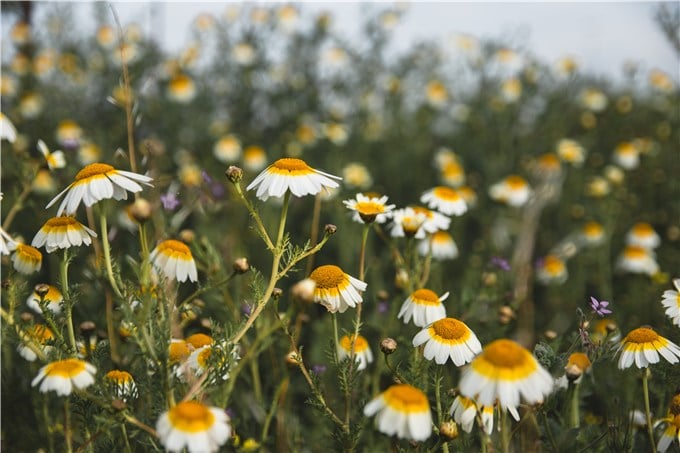
When to Harvest Chamomile?
Harvesting at this time ensures the highest concentration of essential oils, which are responsible for chamomile’s aroma and flavor. It’s also important to choose a dry day, as excess moisture can damage the harvest. Regular harvesting encourages the plant to produce more blooms, allowing for multiple harvests throughout the season.
The most prized part of the chamomile plant for tea is the blossoms with their strong, apple-like fragrance. The foliage is aromatic but bitter-tasting and should not be harvested or dried. So, it’s suggested to pick the flower heads and get rid of the leaves and stems.
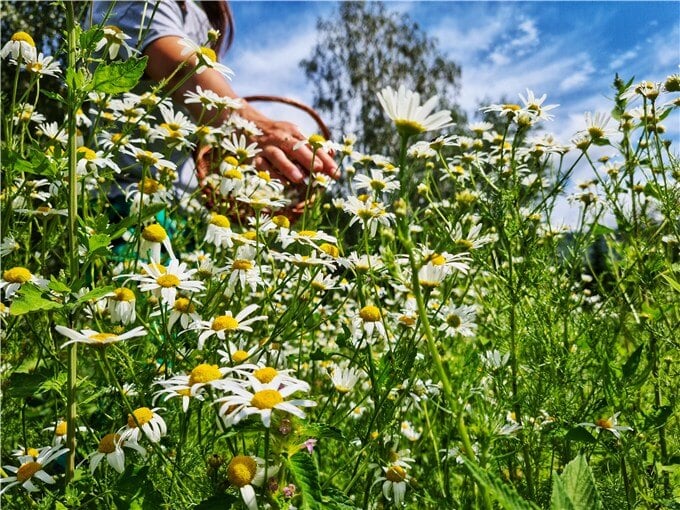
How to Harvest Chamomile for Tea?
Here is how to harvest chamomile for tea.
Prepare the Supplies
You need a pair of clean, sharp garden shears or scissors, a bud bowl trimmer to prune the unwanted parts, and a basket or small bucket to collect the flower heads.


[Trimming Bundle Sale] Spider Farmer® 2-In-1 Trim Tray 150 Micron 100 Mesh Screen for Pollen & Herb + 16″ Bud Leaf Bowl Trimmer
- Unique Large Trimming Area Design The 15.55″ x 8.86″ stainless steel trimming screen with a 150-micron fine mesh captures and stores even the smallest trichomes, giving you cleaner, more potent results every time.
- No Waste Construction The integrated 150-micron mesh screen requires no screws, rivets, or glue, ensuring nothing interferes with your herbs—and no valuable pollen is lost.
- Non-Slip Ergonomic Base Designed with a frosted, anti-slip bottom, the tray stays stable during use—reducing mess, preventing spills, and keeping every bit of pollen where it belongs.
- Lightweight & Effortless Trimming Portable and easy to handle, this tray can rest comfortably on your lap or tabletop, making long trimming sessions easier and less tiring.
- High-Walled Design Raised sides keep your herbs contained, minimizing flyaways and keeping your workspace clean.
- Versatile Use Perfect for dry sifting pollen, herbs, and other fine plant material, this tray is an essential tool for both hobby growers and serious cultivators.
- Food-grade Material: Made from food-grade materials, this bud trimmer is friendly to the human body. Eco-friendly.
- Sharp Stainless Steel Blades: The stainless steel is sharp enough to cut bud leaf easily without damaging vital stems and branches of the plants; Making pruning an enjoyable process
- Wet & Dry Trimming: The straight blade is used for wet trimming; The serrated blade and X-blades are used for dry trimming
- User-Friendly – Easy to assemble, operate, and clean, making it ideal for both beginners and professionals.
- Versatile Use – Suitable for trimming flowers, leaves, and other delicate plant parts, making it an essential tool for growers.
- Time-Saving – Reduces the time spent on hand trimming, allowing you to focus on other tasks while achieving a professional finish.


Pre-Order | Spider Farmer 13 inch Bud Leaf Bowl Trimmer ,Twist Spin Cut with Clear Visibility Dome
Designed for precision and convenience, this compact bud bowl trimmer is perfect for small batches. Featuring sharp bowl trimmer blades, it ensures clean cuts whether you're trimming wet or dry. Ideal for growers seeking the best bowl trimmer for efficient bud and leaf removal.
User Mannual:Spider Farmer 13'' Bowltrimmer-User-Manual.
【Food-grade Material】Made from food-grade materials, this bud trimmer is friendly to the human body. Eco-friendly.
【Sharp Stainless Steel】 Blades: The stainless steel is sharp enough to cut bud leaf easily without damaging vital stems and branches of the plants; Making pruning an enjoyable process
【Wet & Dry Trimming】: The straight blade is used for wet trimming; The serrated blade and X-blades are used for dry trimming
【User-Friendly 】– Easy to assemble, operate, and clean, making it ideal for both beginners and professionals.
【Versatile Use 】– Suitable for trimming flowers, leaves, and other delicate plant parts, making it an essential tool for growers.
Package including:
1 X 13" Bowl Trimmer
1 X Serrated Blade
2 X Flat Blade
2 X Cross Blade
1 X Gloves
1 X Gardening Scissors
1 X Small Scissors
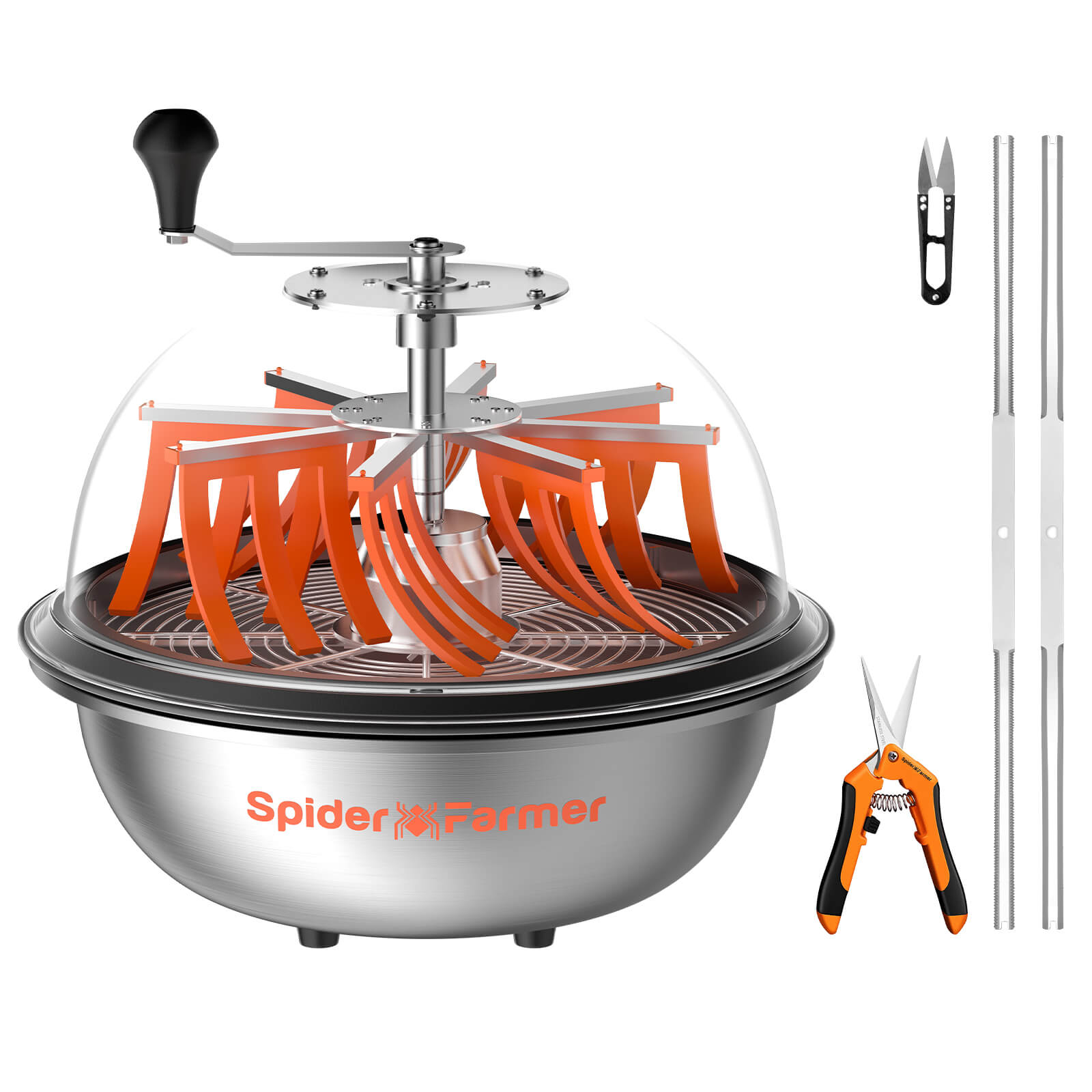
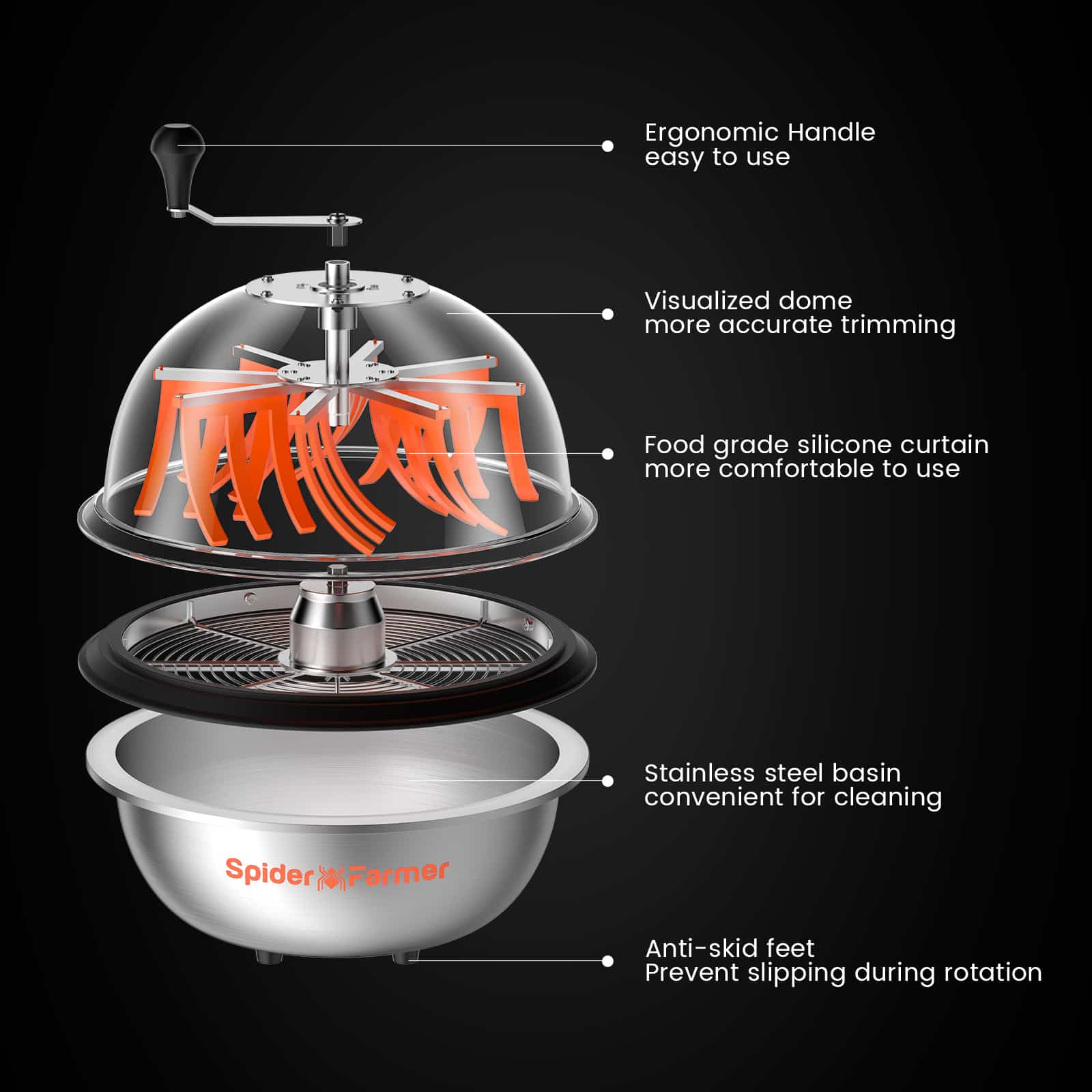
Pre-Order | Spider Farmer® 16″ Bud Leaf Bowl Trimmer,Twist Spin Cut with Clear Visibility Dome


Spider Farmer Complete Harvest Kit –16” Bud Leaf BowlTrimmer +9 in 1 Toolkit
- Food-grade Material: Made from food-grade materials, this bud trimmer is friendly to the human body. Eco-friendly.
- Sharp Stainless Steel Blades: The stainless steel is sharp enough to cut bud leaf easily without damaging vital stems and branches of the plants; Making pruning an enjoyable process.
- Wet & Dry Trimming: The straight blade is used for wet trimming; The serrated blade and X-blades are used for dry trimming.
- User-Friendly: Easy to assemble, operate, and clean, making it ideal for both beginners and professionals.
- Versatile Use: Suitable for trimming flowers, leaves, and other delicate plant parts, making it an essential tool for growers.
- Time-Saving: Reduces the time spent on hand trimming, allowing you to focus on other tasks while achieving a professional finish.
- Complete Gardening Solution: Planting kit includes: 1 x gardening gloves, 1 x smell-proof bag, 1 x pruning shears, 1 x 30X-60X magnifying glass, 1 x 4-layer herb drying rack, 1 x 32x19 cm smell-proof bag, 1 x plant ties, 100 x plastic plant labels, 1 x 26x38 cm resealable bag.
- PROTECTION & TRIMMING: Gardening gloves made of high-quality materials protect your hands from herb sap or sharp objects during planting. Pruning shears with excellent spring action, a reliable locking mechanism, precise design, sharpness, and durability easily meet the demands of pruning.
- CONTROL & MANAGEMENT: The illuminated magnifying glass monitors the growth status of herbs in HD, improving planting success. Plant labels facilitate classification and identification and record growth cycles and maintenance points. Soft, durable plant ties stabilize plant growth.
- DRYING & STORAGE: The ventilated herb drying rack accelerates drying. Sealable, odor-proof bags and odor- and moisture-proof resealable bags isolate odor and moisture, preserving the freshness and quality of herbs.
- MONEY & ENERGY SAVING: Made of high-quality materials, specifically designed for gardening. Robust, durable tools, selected for monitoring, pruning, drying, and preserving, streamline planting and save time and money.


Spider Farmer Harvest and Filtration Kit –16” Bud Leaf BowlTrimmer +5-Pack 5-Gallon Reusable All-Mesh Filter Bags
- Food-grade Material Made from food-grade materials, this bud trimmer is friendly to the human body. Eco-friendly.
- Sharp Stainless Steel Blades The stainless steel is sharp enough to cut bud leaf easily without damaging vital stems and branches of the plants; Making pruning an enjoyable process.
- Wet & Dry Trimming The straight blade is used for wet trimming; The serrated blade and X-blades are used for dry trimming.
- User-Friendly Easy to assemble, operate, and clean, making it ideal for both beginners and professionals.
- Versatile Use Suitable for trimming flowers, leaves, and other delicate plant parts, making it an essential tool for growers.
- Time-Saving Reduces the time spent on hand trimming, allowing you to focus on other tasks while achieving a professional finish.
- Professional Multi-Stage Filtration System Includes 5 color-coded filter bags with clearly labeled micron ratings: 220μm, 160μm, 120μm, 73μm, and 25μm — perfect for layered separation and precision filtering.
- Smart, Easy-to-Use Design Wide top opening fits all standard 5-gallon buckets. Quick-pull drawstring makes sealing, removing, and replacing bags fast and hassle-free.
- Premium Food-Grade Nylon Durable and tear-resistant, built to handle cold water extractions like ice water hash. Reinforced seams and double-stitched edges ensure long-term reliability.
- All-in-One Value Pack Includes 5 professional-grade micron bags, 3 replaceable pressing screens (25μm), and a storage bag. Fully machine washable and reusable.It is great for long-term performance and cost savings.
- High Capacity & Versatile Use Ideal for small-scale home use or large-scale production — from herbs and flowers to essential oils, hydroponic plants, and more.
- Multi-Industry Applications Perfect for craft brewing, coffee filtration, botanical extraction, and lab-grade processing. Effectively removes plant debris, yeast, sediment, and other impurities.
- Easy to Clean Quick-drying performance to prevent water absorption.
The properly stored, dried chamomile can last for months. In this part, we’ll explore some common methods and techniques for drying and storing chamomile. Ensure to take each step with care and preserve the integrity and quality of the cherished herb.
Preparing for Drying
- You can rinse the flowers quickly under cool water to remove any dirt or insects. Gently shake off excess water.
- While not necessary, some people prefer to remove the stems for a cleaner appearance and to make the tea easier to steep.
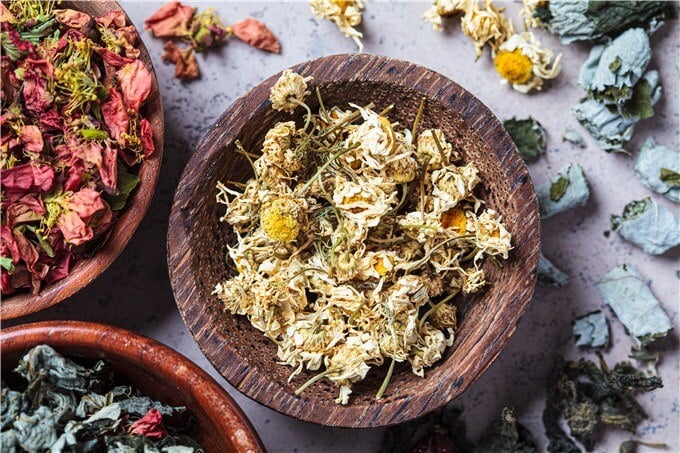
How to Dry Chamomile for Tea?
Drying Methods
Air Drying
- Spread the flowers out on a clean, dry surface such as a paper towel, newspaper, or drying screen.
- Place them in a well-ventilated area out of direct sunlight to prevent mold and preserve the color and flavor
- It can take anywhere from a few days to a couple of weeks, depending on the humidity and temperature.
- Check daily to ensure they are drying evenly and to prevent mold.
Oven Drying
- Preheat your oven to the lowest setting (around 100°F or 38°C).
- Spread the flowers on a baking sheet in a single layer.
- Place the tray in the oven and leave the oven door slightly ajar to allow moisture to escape.
- Check every hour and remove the flowers when they are completely dry, which usually takes a few hours.
Dehydrator
If you have a food dehydrator, follow the manufacturer's instructions for drying herbs.
Set the temperature to around 95°F (35°C) and dry until crisp, which usually takes 8-12 hours.
Microwave Drying
This method may affect the taste of the tea quality, but it’s a quick method.
- Spread the flowers on a microwave-safe plate in a single layer.
- Microwave in short bursts (30 seconds to 1 minute), checking and stirring after each interval.
- Be careful not to overheat, as this can damage the flavor and medicinal properties.
Storing the Dried Chamomile
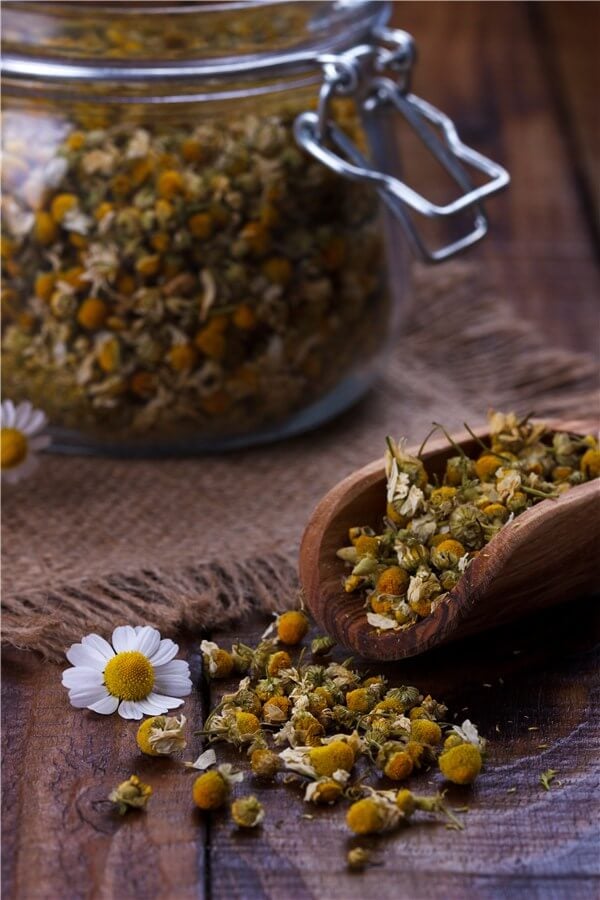
Store the Dried Chamomile
- Once the chamomile is completely dry, store it in an airtight container to protect it from moisture and light.
- Label the container with the type of herb and the date it was dried.
- Store the container in a cool, dark place to maintain the quality of the chamomile.
Using Dried Chamomile for Tea
- Use 1-2 teaspoons of dried chamomile flowers per cup of boiling water. Steep for 5-10 minutes.
- Strain the tea and enjoy it hot or iced. You can add honey or lemon for additional flavor.